


In the not-so-distant past, healthcare was always a destination. You drove to it. You waited in it. You dressed your wound, packed your referrals, sat in traffic, and filled your day with hours of planning around a single 15-minute appointment.
But now, something profound is happening. The notion that care must occur within four physical walls is giving way to something smarter—something more humane.
Virtual Hospitals are not a theory or a “COVID-era” stopgap. They are an evolution. And they are changing everything.
A Crisis and a Crossroads
Australia—and the wider Asia-Pacific—is standing at a healthcare crossroads. The demand for care is surging, driven by aging populations, chronic disease, and rising expectations. Yet our bricks-and-mortar health system can’t keep up. Emergency departments are overflowing. Specialist referrals stretch into months. Clinicians are burnt out. And patients in rural areas are falling through the cracks.
We are not just facing a capacity problem. We’re facing a design problem. And the solution is not always to build more—it’s to build differently.
Enter the Virtual Hospital.
What Makes a Hospital "Virtual"?

When people hear “virtual hospital,” they might picture a Zoom call with a GP. But the real version is far more sophisticated—and far more powerful.
A Virtual Hospital is a clinically governed digital care system that replicates many of the capabilities of a physical hospital. It doesn’t replace every brick, bed, or ward—but it allows us to decouple care from location.
Think of a world where:
- A cardiologist in Melbourne consults with a farmer in Mildura within 24 hours.
- A nurse conducts wound care reviews for five patients before lunch—all from a central console.
- A mother books a virtual paediatric review without taking time off work or dragging her sick child across town.
- A recently discharged patient receives daily remote monitoring and early intervention before deterioration leads to readmission.
And all of it is governed, recorded, and integrated into the same care system as the physical hospital.
This is not science fiction. This is care, redesigned.
The Consumer Shift: Why Convenience Wins
Let’s step outside healthcare for a moment.
When was the last time you waited on hold for a taxi dispatcher? Stood in a queue for takeaway? Drove across town to pick up a DVD? Booked a travel agent in person?
We live in an Uber, Netflix, Amazon, UberEats world. Consumers have redefined value—not as the thing they’re buying, but the experience of buying it.
They pay for time saved. Hassle avoided. Options delivered.
And they’re ready to do the same in healthcare.
People will pay to:
- Avoid a two-hour roundtrip to the hospital.
- Skip parking lots and waiting rooms.
- Book a next-day appointment from their couch.
- Receive care at home, where they’re comfortable, supported, and calm.
We’ve seen consumers choose home-delivered groceries that cost more, simply because it saves them effort.
Why wouldn’t they pay a fee for a virtual consult that spares them a half-day disruption?
Hospitals that understand this shift won’t just meet expectations — they’ll monetise them.
Business Transformation: From Capacity Crisis to Scalable Growth
In traditional healthcare, revenue was tightly coupled with physical infrastructure: more patients meant more rooms, more staff, more equipment, more space.
But with Virtual Hospitals, scale looks different.
A single clinician can see patients across regions. Your outpatient department doesn’t need to expand physically to handle more consults. Your rural reach expands without a single new lease.
And costs don’t follow the same curve. In fact, they fall.
Clinicians can work from home or from smaller, decentralised hubs. Admin tasks are streamlined through automation. Facilities don’t carry the same overhead.
Even better: virtual care opens doors to new revenue channels:
- Direct-to-consumer services for high-convenience, low-complexity care.
- Post-op care bundles with remote monitoring.
- Premium access to virtual clinics.
- Employer-paid wellness consults.
Care becomes portable. Personalised. And profitable.
Virtual Hospitals: Stories from the Field
In one regional hospital, virtual pre-admission consults reduced surgery cancellations by 35%. Patients showed up more informed, better prepared, and less anxious. That meant better theatre efficiency and more surgeries completed on time.
In another case, a mental health team introduced digital group therapy sessions for youth in isolated communities. Attendance rates soared, outcomes improved—and the service scaled to more patients without needing additional space.
A private provider launched a remote cardiology review service with same-week appointments. They saw an uptick in referrals, stronger brand loyalty, and revenue from patients who previously drove 4+ hours for care.
These aren’t edge cases. They are the new frontier.
The Experience That Keeps People Coming Back
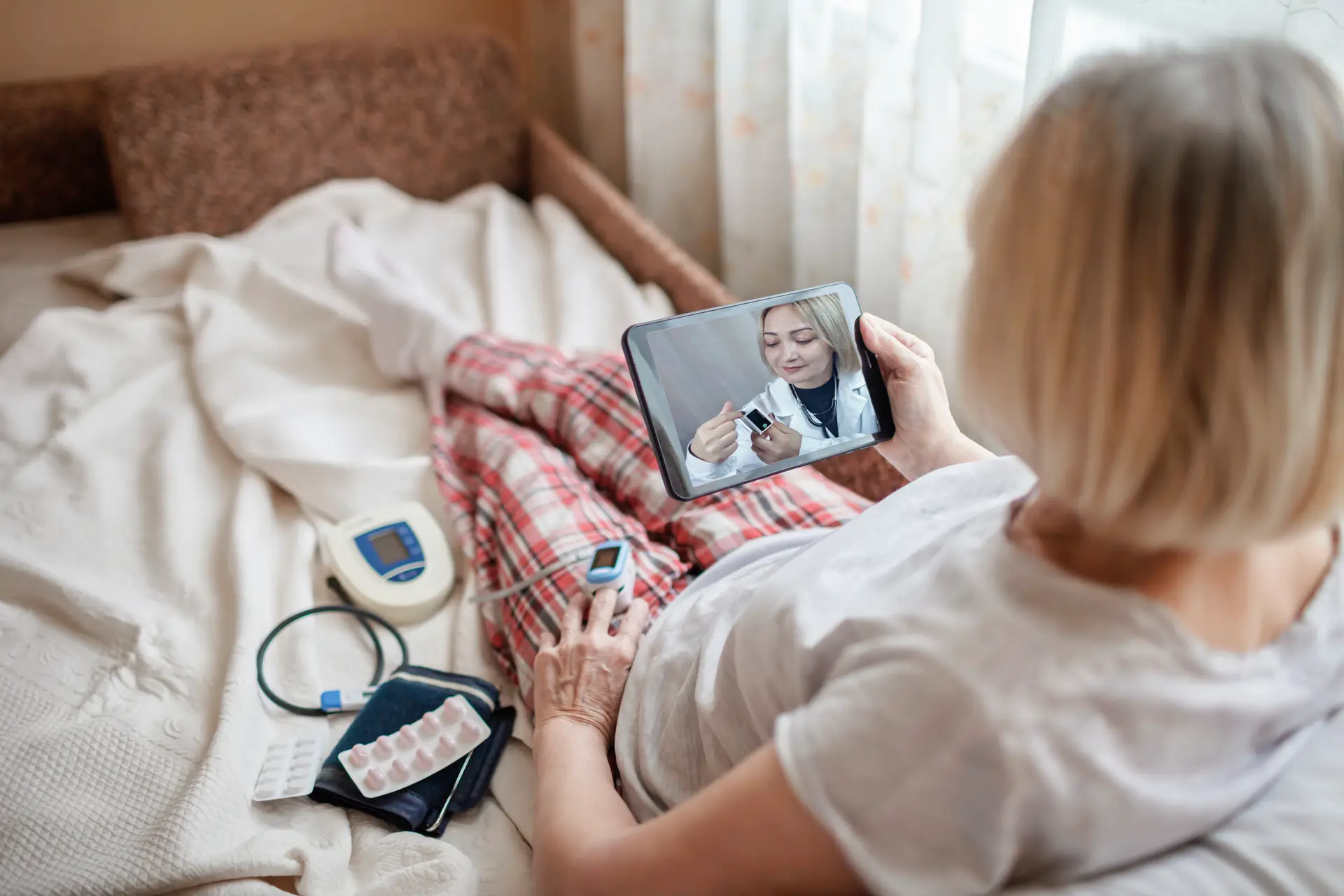
Virtual Hospitals aren’t just efficient. They’re sticky. They create better patient experiences that build trust, reduce friction, and increase retention.
Patients receive reminders. Follow-up is automated. Communication is instant. Support is always a click away.
Everything is coordinated—across specialists, GPs, carers, allied health. From video consults to medication delivery, it feels like one seamless experience.
And when care feels this personal, patients don’t want to go back to the old way.
Health That Moves With People - The Virtual Hospitals Evolution
We used to believe that healthcare needed to be big, centralised, and static to be safe.
But the world has changed. Technology has matured. Consumers have moved on.
The safest, most scalable, most sustainable healthcare system is not one where everyone must come to the hospital.
It’s one where the hospital can go to everyone.
Virtual Hospitals are not a threat to the traditional model—they are its evolution.
If we embrace this transformation now, we can:
- Reach more patients
- Deliver better experiences
- Generate new revenue
- Reduce system pressure
- And build a future where health meets people where they are
Let’s not wait for the next crisis to act. We can do this right now.
Visit DC2Vue at HIC 2025 this August at the Melbourne Convention and Exhibition Centre.